
 تعليم اللغة العربية للأطفال لسنة الجديدة
السلام عليكم ورحمة الله وبركاته
دليل التعليم:
إن الله خلق الإنسان مهيئاً لتعلم القراءة والكتابة ، وخلق له الأسباب والوسائل التي تمكنه من ذلك فقابلية التعلم كامنة وموجودة لدى كل طفل ومهمة المعلم تحويل ما هو كامن إلى ما هو كائن عن طريق الوسائل التربوية الفعالة . و تعليم لغة جديدة يعتبر استكشاف عالم جديد
للاطفال و كذلك من تأثيرات تعليم اللغة الثانوية هو نمو الدماغ و تفعيل الجهة الخامدة منه حسب التقارير الطبية .
اساسيات التعليم:
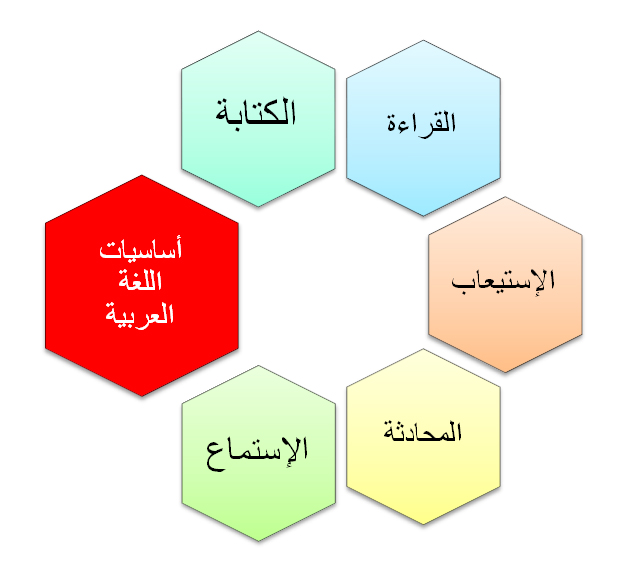
خمسة اساسيات للغة العربية:
Learning focus for Foundation and Grade 1 (Shahada Level) for children from both Arabic and non-Arabic speaking background
Students begin to use and respond to the language in the classroom, relating the language to what they see, hear and touch, and to topics related to self, home, family, animals, food and to other classroom activities.
Through greetings, introductions, stories, songs and other simple routines, students become familiar with the sounds of the language and clusters of words, and practise using the language. From the beginning, they hear words, phrases and basic sentences in use. Students are introduced to concrete language with repetitive patterns, and develop strategies for memorisation and comprehension. They start to interpret gesture and facial expressions, and use some of the non-verbal behaviour that is part of the language. As far as possible, students are immersed in hearing the language, whose meaning is made clear by:
- gestures (for example, indicating, touching)
- dramatisation (for example, role-playing, costume wearing, puppets, scenarios, imitating characters)
- singing (for example, acted parts, participation rhymes, choral practice)
- activities (for example, painting, Internet or multimedia games, digital learning objects, intercultural awareness games)
- conversing (for example, repeating teacher models, asking and answering scaffolded questions, identifying objects and their characteristics, using ‘here and now’ clues, labelling classroom and home objects)
- viewing (for example, video, graphic, visual and other stimulus material)
Students participate in cooking, physical education, role games, painting, drawing, finger painting, puppet making and similar activities which locate the language in real communication contexts, hearing extended but simple stretches of the language and gradually using it themselves.
Students undertake the development of writing skills appropriate to the child’s background and familiarity with the language being studied and communicate using explicit models with ongoing teacher support and scaffolding.
Standard, Reading and Comprehension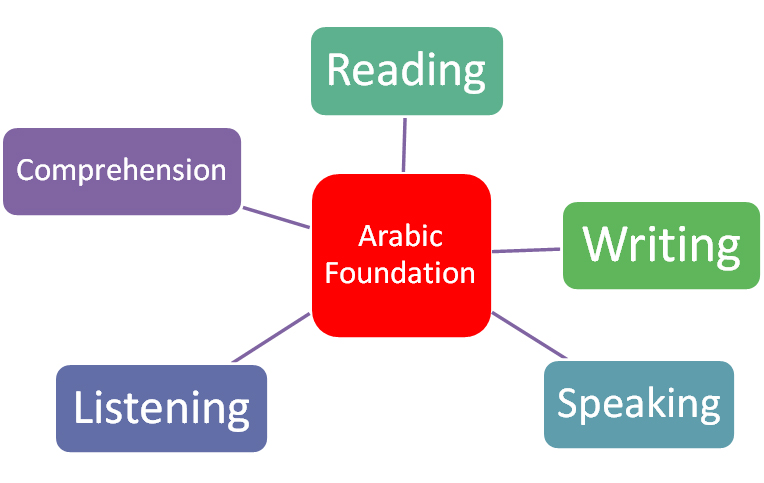
At this level, students recognise how sounds are represented alphabetically and identify some sound-letter relationships. They read aloud familiar studied single words. They read from right to left with return sweep, and from top to bottom. They use title, illustrations and knowledge of a text topic to predict meaning. They use context and information about words, letters, combinations of letters and the sounds associated with them to make meaning, and use illustrations to extend meaning.
Writing
At this level, students write the letters and simple familiar studied words. In their writing, they begin to recognise the different shape of each letter as it appears in the beginning, middle and end of a word. Students are aware of the sound system and the relationships between letters and sounds in words when spelling. They form letters correctly.
Speaking, Listening and Comprehension
At this level, students listen to and produce brief spoken text that deal with familiar ideas and information. They use gesture, tone, facial expression to make meaning of what they hear.
المنهج التعليمي للكتابة
الرسم خلفية مشتركة بين كل الاطفال على هذا السبيل و بما انه الاطفال في مجتمع انكليزي و يتم التركيز في رسم الخط من اليسار الى اليمين و من تحت الى فوق غالبا.
اولا: سنبذل جهدنا لتفيم الطفل رسم الخط من اليمين الى اليسار و غالبا من فوق الى تحت.
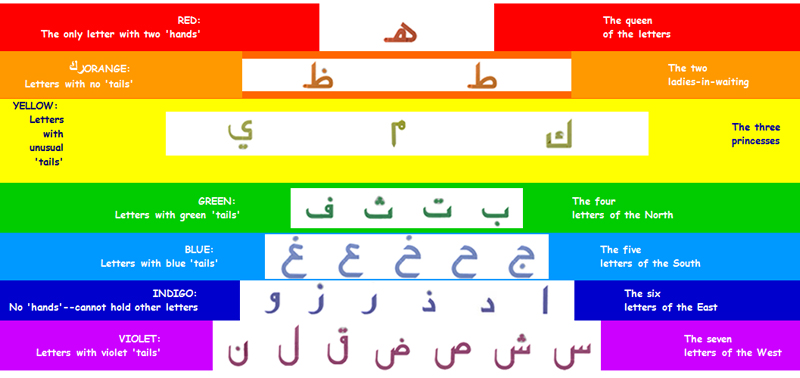
ثانيا: افضل طريقة لتمييز الحروف هو هرم الابجدية و هي طريقه تبتني على شكل الحرف و التركيز على ذيل الحرف.
| Term | Lessons | Themes | Target | Tools | The story | Grammar | Vocabulary |
| Term 1 | 7 x 1’.20” | · في المزرعة
الطالب يتعرف على اسماء الحيوانات و اصواتها و مستلزمات الزراعة |
· استيعاب فرق اسم الحرف و صوته في الكتابة و القراءة· دور النقاط مع الحروف
· العد |
· Flash Cards· App games
· Worksheet · Physical games · Drawing |
مغامرة في المزرعةOZ-Code:284 | · الحروف الهجائية· الاسم
|
إسم الحيواناتإسم الآليات الزراعة
فوق – تحت –وراء – مقابل-يمين – يسار الاعداد |
| Term 2 | 9 x 1’.20” | · أعضاء الجسم
الطالب يتعرف على شكل أعضاء جسم الانسان و الحيوان و يحلل الاعضاء و يركب الاعضاء ليخلق حيوانات مركبة و جديدة |
· تمييز شكل الحروف في الكلمة· تحليل الحروف داخل كلمة
· الكتابة من اليمين الى اليسار |
· Flash Cards· App games
· Animation · Worksheet · Songs |
الأعضاء | · الحروف الهجائية· الصفة | إسم أعضاء الجسمكبير و صغير- بعيد و قريب-
طويل – قصير قليل – كثير |
| Term 3 | 9 x 1’.20” | · في السوق
في سوقنا هذا الطالب يبيع و يشتري بثمن الحروف و الحروف هي عملة هذا السوق العربي يجب ان يبيع و يشتري و يسأل بالجمل البسيطة |
· الجمل البسيطة· أسئلة بسيطة | · Flash Cards· Play
· Animation · Worksheet |
في السّوبرماركتOZMADE: 539 | · الحروف الهجائية· الفعل | كم؟ هل؟ ما هذا؟ ما هذه؟النقود
يبيع – يشتري – تعال – إذهب أقراء – أكتب |
| Term 4 | 9 x 1’.20” | · أربعة فصول السنة
في الفصول الاربعة الطالب يصف لنا الطقس و فاكهة الفصل |
· التمهيد للقراءة مع الحركات | · Flash Cards· App games
· Animation · Worksheet |
كيف حال الجوOZMADE: 392 | · الحروف الهجائية· صوت الفتحة و الكسرة و الضمة
|
إسم الفصولإسم الفاكهة
|
*Based on CLIL method.
[dt_sc_courses limit=”-1″ course_type=”” carousel=”false” categories=”97″ layout_view=”list” columns=”1″ /]| Lesson | Activity | Stream 1 | Stream 2 |
| 1. | إسم الحيوان و صوته | حرف الاول للحيوانات وصوته | صوت الحروف في كلمة الحيوانات |
| 2. | إسم الآلات و اصواتها | حرف الاول للآلات وصوته | صوت الحروف في كلمة الأشياء |
| 3. | عدد ارجل الحيوان ؟ عدد الحيوانات في المزرعة ؟ عدد بيض الدجاجة | عدد النقاط في الحرف | عدد الحروف في الكلمات |
| 4. | نبحث عن الحيوانات و الفاكهة و النقاط في المزرعة | مكان النقاط في الحرف | مكان الحروف في الكلمة |
| 5. | الحيوانات المتشابهة حسب النوع و الفاكهة المتشابهة حسب الشكلحجم الحيوان؟ لون الحيوان؟ نوع الحيوان | الحروف المتشابهة حسب عدد و مكان النقاط و حسب هرم الحروف | الحروف المتشابهة حسب موقع الحرف في الكلمة |
| 6. | أشكال الآلات و رسم شكل الحيوانات بالاشكال | شكل الحروف للكتابة حسب الاشكال | أشكال الحروف حسب الموقع |
| 7. | جمع بيض الدجاج | الطلاب يكتبون على اوراق بيضوية ما تعلموا و حصدوا من الحروف | الطلاب يكتبون على اوراق بيضوية ما تعلموا و حصدوا من أسماء الحيوانات |
في بداية كل درس نبداْ بتذكير الحروف مع البطاقات*
كل الدروس تحتوي قسم من قصة الفصل*
مع كل الدروس توجد worksheet خاص*
الأساسيات في اللغة العربية:
| الاستيعاب | المحاورة | الاستماع | الكتابة | القراءة |
| إستيعاب قراءة و كتابة الحروف و تميزها عند سماع الكلمات المفردة و قراءتهاتحليل الكلمات من صوت الحروف الى كتابة الكلمة
إستيعاب شكل الحروف ورسم الحروف من الاشكال المعروفة عندهم مواقع النقاط في الحروف العربية شكل الحرف حسب موقعه في الكلمة |
إستماع الى نشيد وحفظهالنقاش عند الاسئلة و الأجوبة
عند تمثيل مسرحيات بسيطة في لعب الجماعية
|
إستماع للقصةإستماع مقاطع صوتية و مرئية
إستماع الى الأسئلة و الاجوبة |
كتابة الحروف حسب موقعها في الكلمةكتابة كلمات
كتابة جمل بسيطة على البطاقات كتابة أسمائهم
|
قراء ة الحروف الهجائيه حسب موقعها في الكلمةقراءة الكلمات
قراءة جمل بسيطة قراءة كتب حسب مستوى الطالب
|
Newsletter based on BLOOM’S Taxonomy: